What We Do

Integrated Solutions for Lasting Change

Poverty, disease, and injustice do not exist in isolation — and neither do our solutions. We weave together health, livelihoods, protection, and empowerment into programmes that address root causes and create sustainable change.

How We Work

We do not just deliver programmes to communities — we design them with communities. Our bottom-up approach ensures that every intervention responds to real needs, builds on existing strengths, and leaves behind capacity that endures.

Community-Led Design

We begin by listening. Needs assessments, baseline surveys, and community dialogues ensure our programmes address what matters most.

Participatory Implementation

Communities are not beneficiaries; they are partners. Local leaders, volunteers, and groups co-implement programmes, building ownership from day one.

Evidence-Based Learning

We track what works and what does not. Rigorous monitoring, evaluation, and learning cycles ensure continuous improvement and accountability.

Sustainable Exit

We build capacity, strengthen systems, and transfer skills — so communities continue thriving long after our direct involvement ends.

Eight Focus Areas

Health & Wellbeing

Strengthening community health systems, promoting healthy behaviours, and ensuring access to vital health education and services.

SDG 3 — Good Health and Well-being

Youth Empowerment

Equipping young people with skills, confidence, leadership capacity, and pathways to meaningful employment and enterprise.

SDG 4 — Quality Education; SDG 8 — Decent Work

Women's Economic Empowerment

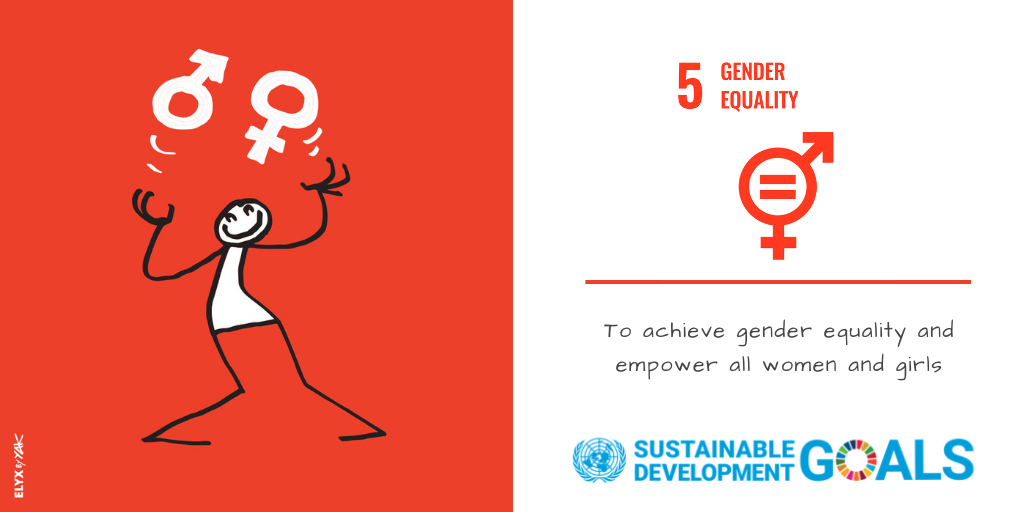
Building financial independence, business skills, and collective strength through VSLAs, enterprise development, and leadership training.


SDG 5 — Gender Equality; SDG 8 — Decent Work

Child Protection & Family Strengthening

Safeguarding children from abuse, neglect, and exploitation while strengthening families to stay together and thrive.


SDG 16 — Peace, Justice and Strong Institutions

Livelihoods & Enterprise Development

Creating pathways to sustainable income through vocational training, agricultural support, access to finance, and market linkages.


SDG 1 — No Poverty; SDG 8 — Decent Work

WASH

Improving access to clean water, sanitation facilities, and hygiene education to reduce disease and promote healthy communities.

SDG 6 — Clean Water and Sanitation

Climate Action & Environment

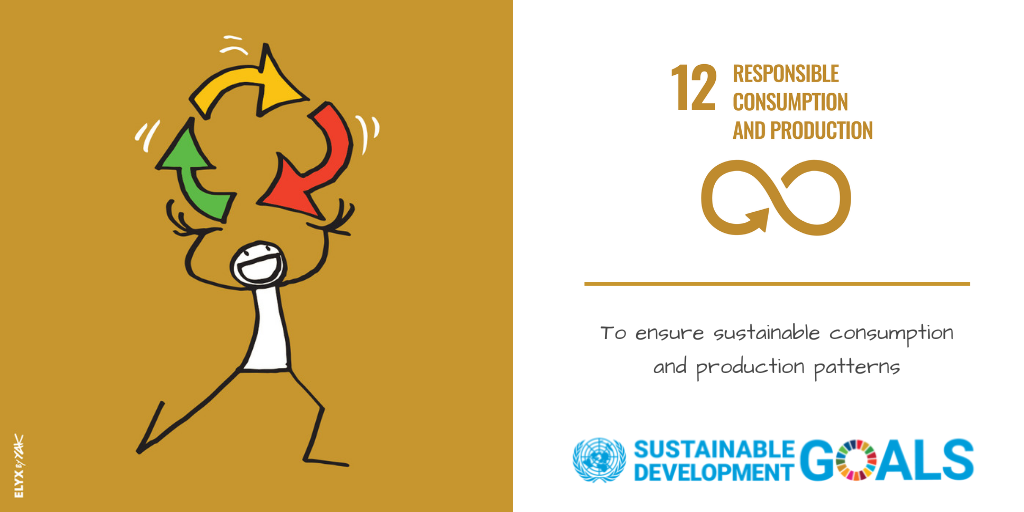
Building community resilience to climate change, promoting sustainable practices, and protecting natural resources.

SDG 12 — Responsible Consumption; SDG 13 — Climate Action

Digital Resilience

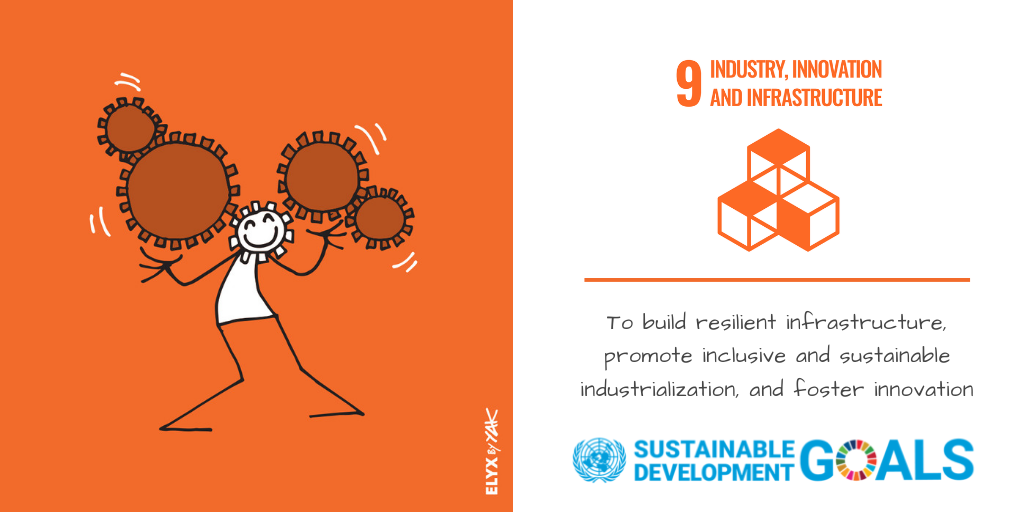
Strengthening digital security, technological capacity, and online safety for organisations and individuals.


SDG 9 — Industry, Innovation and Infrastructure

Planning, Monitoring, and Evaluation (PME)

Freeworld International integrates Planning, Monitoring, and Evaluation (PME) into every stage of the project cycle to ensure effectiveness, learning, and accountability.

Planning Phase

During project design, the team collaboratively identifies key performance indicators, targets, and data requirements. This ensures clarity of expected results and alignment with donor and community priorities.

Monitoring Phase

The Monitoring, Evaluation and Learning Officer (MEL) Officer leads routine monitoring using tools such as field visit forms, activity reports, participant feedback forms, interviews guides, digital data collection tools and observation checklists. This provides real-time information on project progress and guides management decision-making.

Evaluation and Learning Phase

FI applies participatory and modern evaluation approaches such as Learn and Share Sessions, Review Meetings, After-Action Reviews, and Lessons Learned workshops. These approaches help assess project outcomes, identify good practices, and document lessons for future programming.